
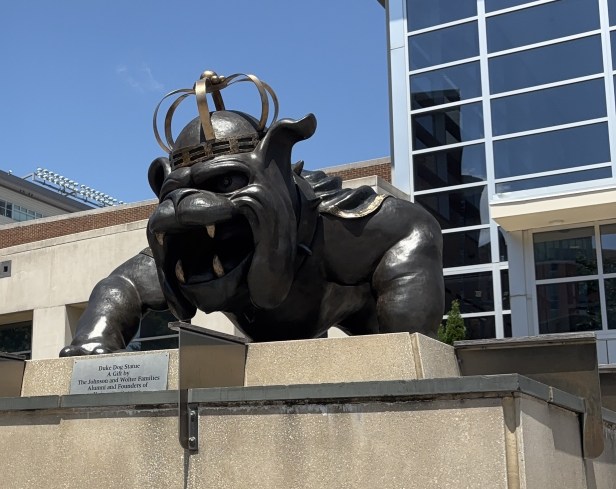
JMU football has a storied history that reflects its rise from a modest Div. I-AA program to a an upset-making powerhouse that can truly hang with the big dogs (pun intended). This journey was long and winding but somehow also fast for such a program. This path included national championships, starkly different coaching eras, and a successful transition to the FBS level. Here’s a detailed look at how the Dukes rose to the throne.
Early Beginnings and First National Championship
JMU’s football program began in 1972, but it wasn’t until the 2000s that the Dukes made a significant impact on the national stage. Under head coach Mickey Matthews, JMU won its first NCAA Division I-AA (now FCS) National Championship in 2004. The Dukes defeated Montana 31-21 in the championship game, and became the first team to win three road playoff games en route to the title in the process. As they say, you have to win one before you win many.
The 2004 championship run was a testament to the resilience and determination of not just that specific Dukes Team, but JMU Football as a program. After a narrow 14-13 victory over Furman in the second round, JMU went on to defeat local rival William & Mary 48-34 in the semifinals. The championship game against powerhouse Montana saw standout performances from players like quarterback Justin Rascati and running back Raymond Hines, who played pivotal roles in securing the title.
Building a Winning Culture
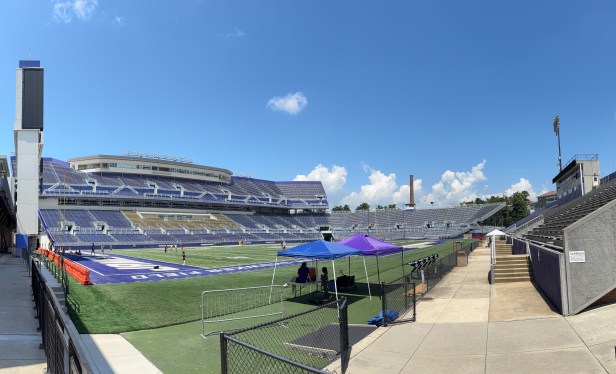
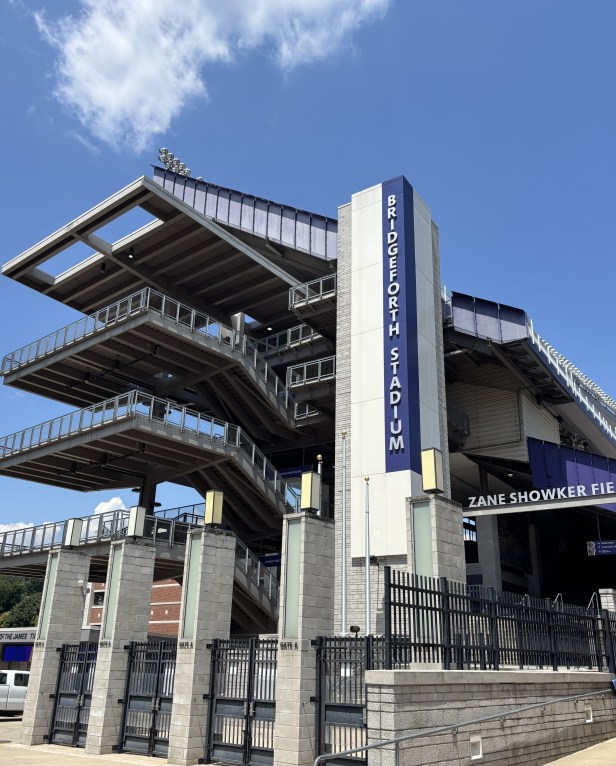
The years following the 2004 championship saw JMU consistently competing at a high level. Matthews continued to lead the team to playoff appearances, including a memorable 2008 season where the Dukes reached the semifinals. The program’s commitment to excellence was evident in its investments in facilities, such as the expansion of Bridgeforth Stadium in 2011, which increased its capacity to 24,877.
During this period, JMU also saw the emergence of several standout players who would go on to have successful professional careers. Notable alumni include Charles Haley, a five-time Super Bowl champion, and Gary Clark, an All-Pro wide receiver for the Washington Commanders. These players helped elevate the program’s profile and attract top talent to Harrisonburg – key ingredients in building a program that can sustain success.
The 2016 team capped off this era, under the leadership of head coach Mike Houston. The Dukes finished the season with a 14-1 record, capturing the Colonial Athletic Association title (now the Coastal Athletic Association) with an undefeated conference record. Their playoff run was highlighted by a significant victory over the five-time defending champions North Dakota State in the semifinals, followed by a decisive 28-14 win against Youngstown State in the National Championship game. This period solidified JMU’s reputation as a powerhouse at the FCS level, showcasing a potent offense led by quarterback Bryan Schor and running back Khalid Abdullah, and a stifling defense that held opponents to minimal scoring.
Hosting College GameDay
One of the most significant moments in this period of JMU football history (and overall) came in 2015, when ESPN’s College Gameday visited Harrisonburg for the first time. The event showcased the riotously passionate JMU fan base and brought national attention to the program. College GameDay would return in 2017 and again in 2023, following JMU’s growing prominence in college football.
The 2023 College Gameday was particularly noteworthy, setting a new attendance record with an estimated 26,000 fans in attendance. It was clear to anyone watching on TV how passionate this program was and how much it had grown. This event truly underscored the program’s national appeal and the fervent support of the JMU community. The atmosphere was decidedly electric, with fans filling the Quad and creating a memorable experience for all involved.
The Alpha Dogs Booster Program
A key part of any successful program is financial support. Accordingly, a pivotal development during this era was the formation of the Alpha Dogs booster program, founded in 2014. Initiated by then-head coach Everett Withers, the Alpha Dogs were a group of affluent and dedicated JMU supporters who provided targeted financial support directly to the football program. This initiative allowed the Dukes to enhance their facilities, improve player nutrition and strength training, and attract top-tier talent.
The Alpha Dogs played a crucial role in JMU’s sustained success, particularly during the later transition to FBS. Their contributions helped bridge the financial gap and ensured that the program could compete at the highest levels of college football. The booster program’s impact was evident in the team’s performance and the continued growth of the fan base. Any program looking to follow in JMU’s footsteps must thus look at the Alpha Dogs.
The Curt Cignetti Era
In 2019, Curt Cignetti took over as head coach, bringing a new level of success to the program. Cignetti led the Dukes back to the FCS National Championship game in his first season, narrowly losing to perennial champion North Dakota State. Nonetheless, under Curt Cignetti’s leadership, JMU continued to dominate the FCS. They won multiple conference titles and consistently made deep playoff runs under his tenure.
Cignetti’s time at the helm was marked by a disciplined and strategic approach to the game. His ability to develop players and maximize their potential was evident in the Duke’s performance year in and year out. The Dukes’ defense, in particular, became a formidable force, stifling opponents and creating opportunities for the offense to capitalize. This is the era in which the whole college football world (or any who hadn’t been paying attention) learned who the Dukes were.
Transition to FBS
In 2022, JMU made the bold move to transition from FCS to FBS, joining the Sun Belt Conference. This transition was marked by immediate success, with the Dukes finishing their inaugural FBS season with an 8-3 record. The following year, JMU went 11-2, earning a spot in the Lockheed Martin Armed Forces Bowl. This rapid success in FBS play demonstrated the program’s ability to compete at the highest level of college football.
The transition to FBS was not without its challenges. The Dukes had to navigate new recruiting landscapes, increased competition, and the pressures of maintaining their winning tradition. However, the program’s strong foundation, financial backing and strategic planning allowed them to thrive in their new environment.
The Bob Chesney Era
In December 2023, Bob Chesney was hired as the new head coach, following Cignetti’s departure to Indiana. Chesney, known for his success at Holy Cross in Worcester, MA, has continued to build on the strong foundation laid by his previously discussed predecessors. Under his leadership, JMU aims to solidify its position as a top contender in the Sun Belt Conference and, perhaps most importantly, guide the program to its first College Football Playoff appearance under the expanded format.
Chesney’s coaching philosophy emphasizes discipline, teamwork, and a relentless pursuit of excellence. His ability to connect with players and foster a winning culture has already begun to pay dividends, as the Dukes continue to perform at a high level. Most notable was their 70-50 win over UNC during the 2024 college football season, though other stand out victories have already come along the way.
While many JMU fans remain bitter over Cignetti’s departure, Chesney has given plenty of reason for optimism in Harrisonburg already.
Sustained Excellence and Future Aspirations
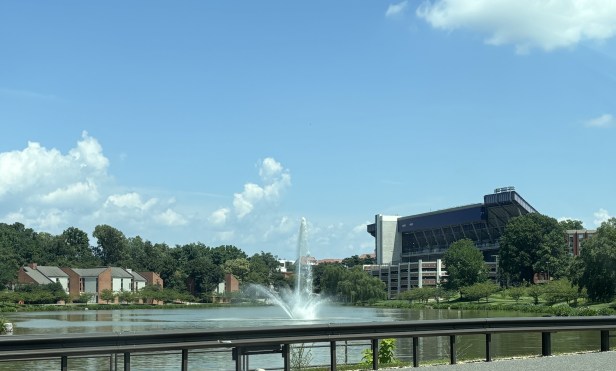
JMU’s rise to power is a testament to its commitment to excellence, both on and off the field. The program’s success has been fueled by strong leadership (both coaching and at the Athletic Department level), strategic investments in facilities, and an extremely, extremely passionate fan base. As the Dukes continue to compete at the FBS level, they aim to build on their legacy and achieve even greater heights in college football – perhaps even the greatest height of them all.
From its humble beginnings to its current status as a formidable FBS program, JMU football’s journey is a remarkable story of perseverance, ambition, and success. Any program looking to rise to the top of college football simply must look at the groundwork laid by JMU and follow it as a blueprint.
 CFB Select